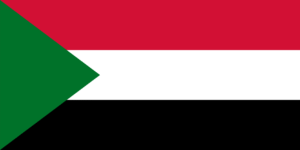

Exploring job opportunities in Sudan can be an exciting venture for international professionals looking to expand their horizons. With its rich history, diverse culture, and growing economy, Sudan offers unique opportunities for those willing to adapt and contribute. However, navigating the process of securing employment in a foreign country comes with its own set of challenges. This guide aims to provide comprehensive information on the requirements and opportunities available for international applicants seeking jobs in Sudan.
Understanding the Job Market in Sudan
The job market in Sudan is diverse, encompassing sectors such as oil and gas, agriculture, telecommunications, education, healthcare, and more. The country’s economy has been experiencing fluctuations, but there are still significant opportunities, particularly in industries that align with government initiatives and international investments.
Popular Sectors for International Applicants
- Oil and Gas: Sudan is one of Africa’s largest oil producers, making this sector a key area for job seekers with relevant expertise.
- Telecommunications: Growth in technology and infrastructure projects has created demand for professionals in IT, networking, and telecommunications.
- Education: There is a strong emphasis on improving educational standards, offering opportunities for educators and administrators.
- Healthcare: The healthcare sector is expanding, providing roles for doctors, nurses, and other medical professionals.
Visa and Work Permit Requirements
To secure employment in Sudan, international applicants must navigate the visa and work permit processes. These procedures can vary depending on the individual’s nationality, the nature of the job, and the duration of stay.
Types of Visas Available
- Business Visa: Issued for short-term business trips, typically lasting up to three months.
- Work Visa: Required for individuals planning to work in Sudan for an extended period.
- Residence Visa: Allows for longer-term stays, often linked to employment contracts.
Applying for a Work Permit
Once you have secured a job offer, you will need to apply for a work permit through the Ministry of Labour and Social Development. This process usually involves submitting documents such as a passport copy, job offer letter, and proof of qualifications.
Cultural Considerations and Integration
Adapting to life in Sudan requires an understanding of local customs and traditions. Here are some tips to help you integrate smoothly:
Language
Arabic is the official language of Sudan, and many people also speak English, especially in urban areas. Learning basic Arabic phrases can greatly enhance your communication skills and cultural immersion.
Religion and Customs
Sudan is predominantly Muslim, and religious practices play a significant role in daily life. Respect for local customs and traditions is essential for building positive relationships with colleagues and locals.
Lifestyle
The pace of life in Sudan can be slower compared to Western countries, with a strong emphasis on community and social interactions. Embracing this lifestyle can lead to a more fulfilling experience.
Networking and Job Search Strategies
Building a professional network and employing effective job search strategies are crucial for finding employment in Sudan. Here are some tips:
Utilize Professional Networks
Engage with professional organizations and networks related to your industry. Participating in conferences, workshops, and seminars can help you connect with potential employers and peers.
Explore Online Platforms
While traditional job boards may not be as prevalent in Sudan, exploring online platforms and social media groups can provide valuable leads and insights into job opportunities.
Seek Referrals
Personal referrals can be highly effective in securing job interviews. Reach out to colleagues, friends, or acquaintances who have connections in Sudan.
Frequently Asked Questions (FAQ)
What are the main challenges faced by international applicants in Sudan?
Common challenges include navigating visa and work permit processes, adapting to cultural differences, and finding suitable job opportunities.
How long does it take to obtain a work visa?
The processing time for a work visa can vary, but it generally takes several weeks to a few months.
Are there any specific qualifications required for certain jobs in Sudan?
Qualifications vary by sector, but most employers require relevant degrees and certifications. It’s important to check the specific requirements for each job.
What are the best cities for job seekers in Sudan?
The capital city of Khartoum, along with Omdurman and Khartoum North, offer the most job opportunities due to their economic and industrial development.
Conclusion
Embarking on a career journey in Sudan can be both rewarding and challenging. By understanding the job market, visa requirements, and cultural nuances, you can position yourself for success. Whether you’re a seasoned professional or just starting your career, Sudan presents a unique opportunity to make a meaningful impact while exploring a new part of the world.
For more information on job opportunities and resources in Sudan, visit SudanJobSearch.com.
If you’re interested in exploring other African markets, consider checking out Sierra Leone Job Search for additional insights and opportunities.