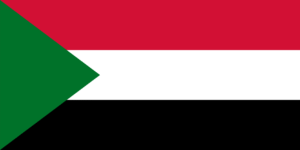

Embarking on a career journey in Sudan as a foreigner can be both exciting and challenging. This guide offers essential insights into navigating the job market, understanding visa regulations, and adapting to local culture. Whether you’re a seasoned professional or just starting out, this comprehensive guide is designed to help you secure a rewarding position in Sudan.
Understanding Visa Requirements
Before you begin your job search, it’s crucial to understand the visa requirements for working in Sudan. The process can vary depending on your nationality and the type of work you plan to do. It’s advisable to contact the Sudanese Embassy or Consulate in your home country to get detailed information.
For instance, if you’re planning to work in Sudan for a specific employer, you may need to obtain a work permit. This typically involves your employer applying for a labor card on your behalf. The process can take several weeks, so it’s important to start early.
Exploring Employment Opportunities
The job market in Sudan is diverse, offering opportunities across various sectors including oil and gas, finance, telecommunications, education, and healthcare. However, finding employment can be competitive, especially for foreigners.
To increase your chances of securing a job, tailor your resume and cover letter to highlight skills that are in high demand. For example, if you’re applying for a position in the oil and gas sector, emphasize your experience with drilling operations, reservoir management, or pipeline maintenance.
Networking and Professional Associations
Networking is key to finding job opportunities in Sudan. Attend industry conferences, join professional associations, and connect with expatriates who are already working in the country. These connections can provide valuable insights into the job market and open doors to potential employers.
Professional associations such as the Sudanese Institute of Engineers or the Sudanese Medical Association can be excellent resources for job seekers. They often have job boards, networking events, and career development programs.
Cultural Adaptation and Communication Skills
Succeeding in the workplace in Sudan requires more than just technical skills; it also demands cultural adaptability and strong communication skills. Understanding local customs, business etiquette, and social norms can make a significant difference in your professional relationships.
For example, punctuality is highly valued in Sudanese business culture. Arriving late to meetings or appointments can be seen as disrespectful and unprofessional. Similarly, maintaining eye contact during conversations is considered a sign of confidence and respect.
Language Proficiency
While English is widely spoken in urban areas, particularly in business settings, having some knowledge of Arabic can be beneficial. Arabic is the official language of Sudan and is used in government, media, and everyday life.
Consider taking Arabic language classes or using language learning apps to improve your proficiency. Even basic phrases like “Shukran” (thank you) and “Marhaban” (hello) can go a long way in building positive relationships with colleagues and clients.
Preparing for the Interview
Once you’ve secured an interview, it’s important to prepare thoroughly. Research the company, its mission, and recent projects. Be ready to discuss how your skills and experience align with their needs.
Practice common interview questions and prepare thoughtful responses about your strengths, weaknesses, and career goals. It’s also helpful to have questions prepared to ask the interviewer about the company culture, team dynamics, and professional development opportunities.
Salary Expectations and Benefits
Salary expectations in Sudan can vary widely depending on the industry, level of experience, and qualifications. It’s important to research average salaries for your profession and location to ensure that your expectations are realistic.
Beyond salary, consider other benefits offered by potential employers. These may include housing allowances, transportation subsidies, health insurance, and retirement plans. Understanding the full compensation package can help you make an informed decision about accepting a job offer.
Frequently Asked Questions
Can I work in Sudan without a degree?
While many jobs in Sudan require a degree, there are opportunities available for those without formal education. However, these positions may be limited and may involve lower salaries. It’s important to tailor your application to highlight relevant skills and experience.
What are the most in-demand industries in Sudan?
The oil and gas sector is one of the largest employers in Sudan, followed closely by finance, telecommunications, education, and healthcare. These industries offer a range of job opportunities for both locals and foreigners.
How long does it take to get a work visa?
The process of obtaining a work visa can take several weeks, depending on the complexity of your application and the processing time of the Sudanese Ministry of Labor and Social Affairs. It’s advisable to start the application process well in advance of your intended start date.
Conclusion
Securing a job in Sudan as a foreigner requires careful planning, cultural sensitivity, and strategic networking. By understanding visa requirements, exploring employment opportunities, and preparing for interviews, you can increase your chances of success in this vibrant and dynamic job market.
For more information on job openings and career development resources, visit SudanJobSearch.com. This platform offers a wealth of information and support for job seekers looking to build a successful career in Sudan.