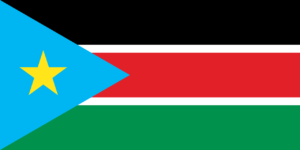

Working remotely has become increasingly popular around the world, and Sudan is no stranger to this trend. As more companies adopt flexible work arrangements, individuals in Sudan are finding new opportunities to work from the comfort of their homes or anywhere else they choose. In this comprehensive guide, we’ll explore everything you need to know about remote jobs in Sudan, from the types of roles available to the challenges and benefits of working remotely.
The Growing Trend of Remote Work in Sudan
The shift towards remote work in Sudan is driven by several factors, including technological advancements, changing work cultures, and economic considerations. According to recent surveys, the number of people working remotely in Sudan has increased by over 30% in the past two years. This growth is expected to continue as more businesses recognize the advantages of flexible work arrangements.
Popular Industries for Remote Jobs in Sudan
Several industries in Sudan have embraced remote work, offering a variety of job opportunities. Here are some of the most common sectors:
- Information Technology (IT): IT professionals, including software developers, network administrators, and data analysts, are in high demand for remote positions.
- Customer Service: Companies often seek customer service representatives who can handle inquiries via phone, email, or chat platforms.
- Marketing and Sales: Marketing specialists and sales representatives can effectively manage campaigns and client relationships from remote locations.
- Education: Online tutoring and educational content creation are growing fields, especially with the rise of e-learning platforms.
- Writing and Translation: Freelance writers, translators, and content creators can find numerous opportunities to work remotely.
Benefits of Working Remotely in Sudan
Remote work offers several advantages that can significantly impact your career and personal life. Here are some of the key benefits:
- Flexibility: You can set your own schedule and work during hours that suit you best.
- Cost Savings: Reduced commuting costs and the ability to live in less expensive areas can lead to significant financial savings.
- Work-Life Balance: The separation between work and personal life can help reduce stress and improve overall well-being.
- Increased Productivity: Many people find that they can be more productive when working from home without office distractions.
- Access to Global Talent Pools: Companies can hire the best talent from around the world, increasing your chances of finding a suitable position.
Challenges of Remote Work in Sudan
While remote work offers many benefits, it also presents unique challenges. Here are some of the most common obstacles:
- Communication Barriers: Effective communication is crucial in remote work environments. Language differences and time zone variations can pose challenges.
- Lack of Structure: Without a physical workspace, it can be difficult to establish a routine and maintain focus.
- Isolation: Working alone can lead to feelings of isolation and disconnection from colleagues.
- Technical Issues: Reliable internet connectivity and adequate technology are essential for successful remote work.
- Security Concerns: Protecting sensitive information and maintaining cybersecurity is a priority for both employers and employees.
Strategies for Success in Remote Jobs in Sudan
To thrive in the remote job market in Sudan, consider implementing these strategies:
- Develop Strong Communication Skills: Practice clear and concise communication through various channels such as email, video calls, and instant messaging.
- Create a Dedicated Workspace: Set up a comfortable and organized space specifically for work to help maintain productivity and focus.
- Establish a Routine: Develop a daily schedule that includes regular work hours and breaks to maintain a healthy work-life balance.
- Stay Connected: Participate in virtual team meetings and social activities to stay connected with colleagues and build professional relationships.
- Invest in Your Skills: Continuously improve your skills and knowledge to remain competitive in the job market.
Frequently Asked Questions (FAQ)
What are the most common remote jobs in Sudan?
The most common remote jobs in Sudan include IT professionals, customer service representatives, marketing and sales personnel, educators, and writers.
How can I find remote job opportunities in Sudan?
You can find remote job opportunities in Sudan by searching job boards, networking with professionals in your field, and reaching out to companies directly. Websites like GhanaJobSearch also offer listings for remote positions.
What are the requirements for working remotely in Sudan?
Requirements for remote work in Sudan typically include reliable internet access, a suitable workspace, strong communication skills, and the ability to work independently.
Are there any government regulations regarding remote work in Sudan?
While there may not be specific regulations dedicated to remote work, it’s important to comply with general labor laws and tax requirements in Sudan.
How can I prepare for a remote job interview in Sudan?
To prepare for a remote job interview in Sudan, ensure you have a stable internet connection, practice answering common interview questions, and familiarize yourself with the company’s culture and values.
Conclusion
Remote work in Sudan offers exciting opportunities for professionals across various industries. By understanding the benefits, challenges, and strategies for success, you can navigate the remote job market effectively and build a fulfilling career. Whether you’re looking to start a new chapter in your career or enhance your existing skills, the world of remote work in Sudan is worth exploring. For more information on job opportunities and career development, visit SudanJobSearch.